Manchester City Are Guilty. Here Is The Case For A Settlement.
02 October 2026

Sunday, the 13th of May 2012. With 93 minutes and 20 seconds on the clock, Sergio Agüero receives a pass from Mario Balotelli, beats a QPR defender, and scores the goal that wins the match 3-2 and gives Manchester City Football Club their first league title in 44 years.
AGÜEROOOO!
“Staggering,” said Peter Drury on the international feed. “I swear you’ll never see anything like this ever again,” said Martin Tyler on Sky Sports in the UK.
On the 29th of September 2026, fourteen years later, and after a process that has run for nearly eight years and is still not over, the Premier League published the verdict of an independent commission, the three-person tribunal that hears disciplinary cases brought under the league’s rules. After 42 days of hearings and 27 witnesses, it found that Manchester City broke the league’s financial rules across nine seasons, from 2009/10 to 2017/18.
It has been a long road. The Premier League opened its investigation in December 2018, after the German magazine Der Spiegel published leaked emails from inside the club. The charges came in February 2023, the hearing ran from September to December 2024, and the verdict has taken almost two years to reach us. Even the commission admitted that “it has taken us much longer than we would have wished.” In the meantime, Agüero has retired, and Roberto Mancini, whose pay is at the heart of one set of charges, is now in his second spell as Italy manager, 13 years after leaving the club.
The sanctions are yet to be announced, and we know City will appeal. The Premier League wants this saga finished quickly, ideally this season, so it does no further damage to its brand. City, which has challenged the process at every stage, is in no hurry. But when deciding which sanctions to impose, do we need to consider the bigger picture of what else Abu Dhabi United Group has done over its 18 years as Manchester City's owner? And is the best solution a settlement?
What The Commission Found
Most readers will know the headlines by now. Between 2009 and 2018, City declared £949.94 million in sponsorship from Abu Dhabi companies such as Etihad Airways, but the sponsors paid only £119.25 million. The other £830.69 million came from the owners, Abu Dhabi United Group, disguised as commercial income in contracts the commission describes as “shams”.
Part of Roberto Mancini’s pay went through a side contract with Al Jazira, a football club in Abu Dhabi, and a company called Fordham, which the commission described as “little more than a front” for the owners. It was used to inflate the club’s income and keep image-rights costs off its books. Worst of all, perhaps, the commission found that City made “concerted efforts to stop and frustrate” the investigation.
City says the report contains “clear material errors” and has confirmed it will appeal. A separate hearing will then set the punishment. Speaking at the Labour Party conference, Lisa Nandy, the Culture Secretary, said she had spoken to the Premier League and warned that “a club can be expelled from the Premier League if these sorts of allegations are upheld.”
Politically, this is delicate. The Prime Minister, Andy Burnham, was the former Mayor of Greater Manchester, and during that time, according to Bloomberg, Abu Dhabi doubled the £10 billion it pledged in 2021 to invest in British assets. The government cannot get involved in the process, but it also does not want to lose that investment, and the bigger picture is likely causing more sleepless nights than anyone is prepared to admit.
An Immediate Dividend
Their 2008 investment brought an immediate financial windfall to the Premier League. When Abu Dhabi United Group bought Manchester City in September that year, the value of the Premier League’s media rights in the Middle East and North Africa rose practically overnight from £180 million to £360 million, according to people involved in the sale. At the time, international rights were shared equally, so each member club took a slice. That meant roughly an extra £9 million going into each club’s coffers to help buy players and run the business, from a single region, largely because an Abu Dhabi investment group had bought into English football.
The Regeneration Of East Manchester
Travel to the stadium or anywhere in East Manchester, and you will see clear, impressive signs of the investment in the ground and the surrounding land.
The Etihad’s capacity is now over 61,000, thanks to the completion of a new £300 million Pep Guardiola Stand, which added almost 8,000 seats when it opened for the last match of last season. Across the road, you will find the £200 million City Football Academy, which opened in December 2014 on 80 acres and includes the 7,000-seater Joie Stadium, home of the women’s team and named after the UK-founded baby gear company Joie. Next to it is Co-op Live, built by City Football Group, the holding company Abu Dhabi United Group created in 2013 to own Manchester City and its sister clubs worldwide, in partnership with Oak View Group, for around £365 million. It opened in May 2024 and is the UK's largest indoor arena.
Beyond that campus is Manchester Life, a joint venture between Abu Dhabi United Group and Manchester City Council, which began in 2014 and has built 1,500 homes across nine developments in Ancoats and New Islington, with another 572 on the way.
Critics have argued that most homes are for private rent, that few are affordable for local people, and that most returns flow offshore. But East Manchester looks nothing like it did in 2008, and the job creation and economic impact on the area, and how these things are measured, have been positive. The club’s own planning documents, published in 2022, credit the Etihad Campus with around 14,000 jobs since 2008. It would leave a strong legacy if Abu Dhabi United Group ever sells the club and its share of these assets.
English Football Has Benefited From Their Largesse
Since the takeover, the owners have spent more than €3 billion (about £2.7 billion) on transfer fees, according to FootballTransfers, and a significant share of that has gone to other English clubs. Aston Villa were paid £100 million for Jack Grealish, Leicester £60 million for Riyad Mahrez, Liverpool £49 million for Raheem Sterling and Everton £47.5 million for John Stones.
That money stayed in the English game, helping pay for other clubs’ signings, wages and other costs. Nor have they spent excessively by their rivals' standards. From 2013 to 2023, the CIES Football Observatory ranked Manchester United, Chelsea and Arsenal above City for net transfer spend. It is fair to ask whether any of the clubs that banked City’s money ever asked where it had come from.
The Football Memories
Then there is the football. Agüero’s goal against QPR in 2012 is widely regarded as the single most dramatic moment in Premier League history. Do football fans really want to see it marked down with an asterisk? The owners must be sanctioned, but the football club’s record should not be expunged because of what happened in the boardroom.
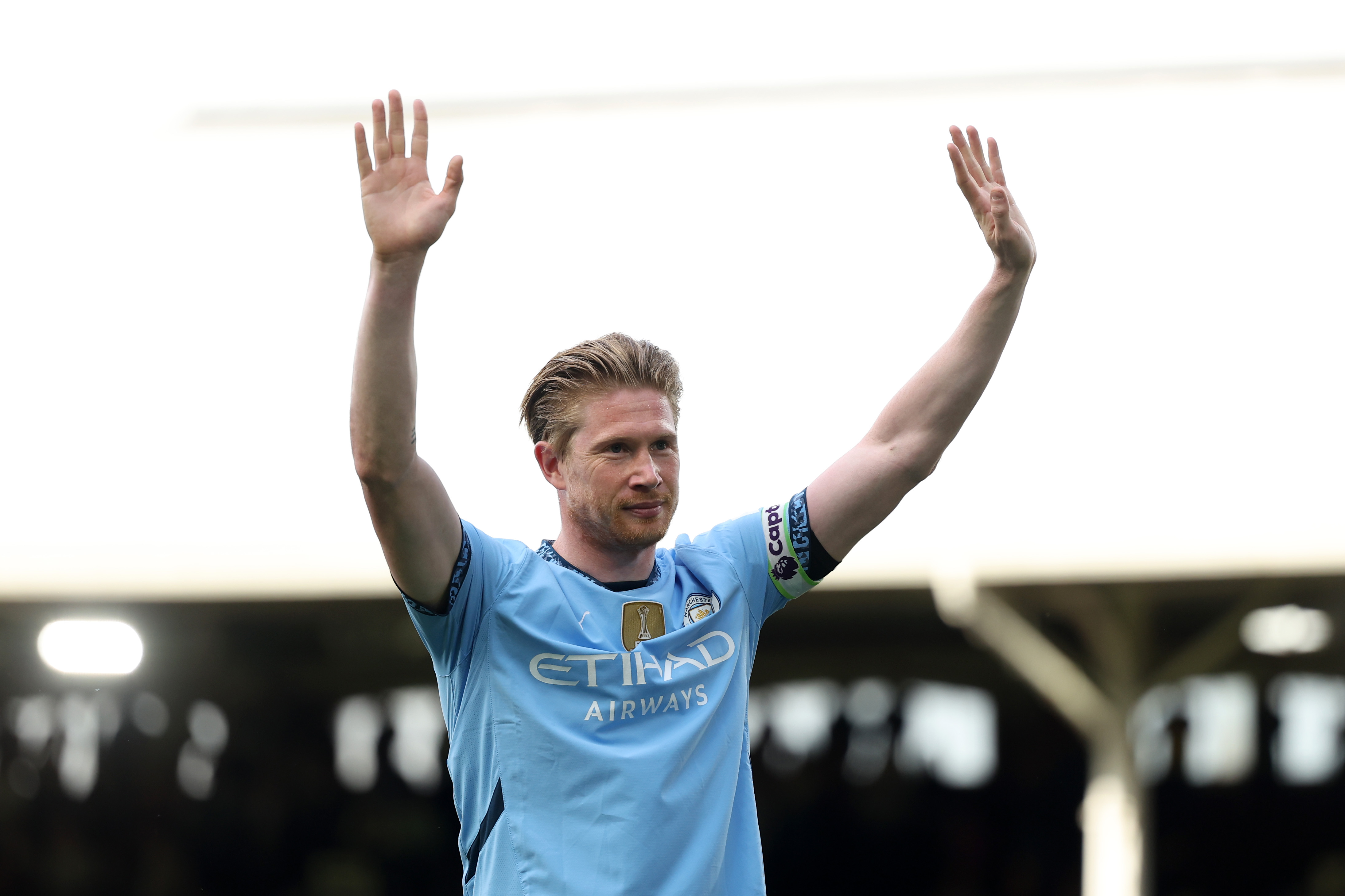
Of course, the “shams” meant City could spend more on players than the rules allowed, but what a collection they brought together. Vincent Kompany signed in 2008, David Silva in 2010, Agüero in 2011, Kevin De Bruyne in 2015 and Erling Haaland in 2022. Would that group have come together anywhere else, and delivered what they did? Kompany, Silva and Agüero already have statues outside the Etihad, and the club has commissioned one of De Bruyne to join them.
Pep Guardiola arrived in 2016, so only his first two seasons fall inside the charge period. The bigger question is whether he would have come at all without the eight years of investment that came before: the academy, the stadium, and a squad that was winning. Guardiola is arguably the greatest manager of his generation; he left after ten seasons. Under his leadership, the team won 20 trophies, including six league titles. They achieved a league-record 100 points in 2017/18, completed the treble in 2023, and, in his final season, a domestic cup double.
His brand of football changed the way teams play in this country, and journalists, pundits, and his former players purred about his impact. You can see his influence all the way down the football pyramid. He was, and still is, an artist, and the owners at Manchester City gave him the canvas to paint on. Would he have been given a similar opportunity elsewhere?

The Investment In Women’s Football
The owners have respected, looked after and invested in women’s football too. Manchester City Women were relaunched as a professional side in 2014 and won the WSL two years later. This May the club opened a £10 million first-team building at the Academy, and the team won the league again, ending Chelsea’s six-year run as champions.
Elsewhere in the Premier League, clubs’ women’s teams have been used to help balance the books. Chelsea sold theirs to BlueCo, the club’s own parent company, for around £200 million, a deal that helped the men’s club report a profit. Aston Villa sold their women’s team to their parent company for £55 million, and Everton followed. That loophole has since been closed, but City never used it, and they still own their women’s team outright.
The Private Equity Strategy And The Multi-Club Brand
The ownership group’s strategy from the start has been to invest. Even though the commission found that they worked outside the Premier League’s financial rules to do so, the owners have treated the club as a private equity firm would, putting money in early to build something worth far more later. That is not to say it was the right way to go about it, but the result is a club with no serious debt and a secure future.
Compare that with the way other clubs have been run. Debt runs right through the Premier League, to the point where it is easy to become numb to it. The Swiss Ramble, the football finance analyst, calculated that the clubs owed £4.7 billion in 2023/24, with Everton at £1 billion before their change of ownership, Tottenham at £851 million, and Manchester United at £547 million. United’s burden dates back to 2005, when the Glazer family bought the club with borrowed money, loading the debt onto the club. According to football finance expert Kieran Maguire, total interest payments alone are close to £1 billion.
In contrast, City’s latest accounts to June 2025 show revenue of £694 million, with £174 million in the bank and £130 million in loans. Most of that borrowing is a £100 million facility from City Football Group (majority-owned by Abu Dhabi United Group) to fund the Pep Guardiola Stand. The club also owes other clubs around £328 million in transfer instalments, the standard credit facility used in football to buy players.
Of the two clubs in Manchester, one has paid more than £1 billion in interest on its owners’ debt, while the other faces sanctions over more than £830 million that its owners put in and disguised as sponsorship. Which club’s fans feel more secure about their future?
City Football Group is a multi-club ownership (MCO) group that owns or partners with a dozen clubs, including those in New York, Montevideo, Girona, Palermo, Melbourne, and Yokohama; all of them are built on the Manchester City model. Sheikh Mansour paid around £200 million for the club in 2008, including debts he cleared at the time, and by 2018 had put more than £1.3 billion more into it in new shares. The group has since raised around $900 million by selling minority stakes: $400 million from China Media Capital in 2015 and $500 million from the American investment firm Silver Lake in 2019, a deal that valued the whole MCO at $4.8 billion. Forbes now values Manchester City alone at $5.5 billion, around £4.1 billion.
Eighteen years of investment have made the club one of the most secure institutions in football, and the centre of a global network that its owners could one day sell for many times what they put in.
Cheats Must Not Prosper
None of this changes what the commission found. City’s owners disguised £830 million of their own money as sponsorship, hid payments to their manager and players, and then worked to frustrate the investigation, with some of the club’s witnesses giving evidence they knew to be untrue. Put plainly, for nine years, they cheated.
From a sporting perspective, it matters. Other clubs have played by the rules, and some have been punished for breaking them. As a Premier League member, Manchester City signed up to these rules, so they knew exactly what they were breaking; the commission found they “clearly intended to circumvent” them. Everton were deducted eight points in 2023/24 for breaching the league’s spending limits, and Nottingham Forest four. Measured on the same scale, Manchester City's breaches could bring a deduction of 60 points or more, far beyond anything handed out before. They must be sanctioned, but the punishment should target the owners who broke the rules. Suggesting City may not have won the titles they did without the owners’ money is a strong argument, but it is speculation. Who predicted that Leicester would win the league in 2016, or that Wigan would beat City in the 2013 FA Cup final?
Time For A Settlement
There is no doubt that this whole process has hung over City and the Premier League like the sword of Damocles. The solution needs to be swift and conciliatory, and it must prevent any further damage to either. The owners must take responsibility for these breaches, and the punishment should be severe. But it should be set against what they have given Manchester and English football over 18 years: a stronger Premier League brand that began with an instant windfall in media rights for every club, a regenerated East Manchester, hundreds of millions spent on players they bought from their competitors, and a manager whose teams lit up the league for a decade.
Losing them could damage the Premier League more than many are prepared to admit. Relegation might lift the wider pyramid, but with their better players and their academy, City would likely be too strong for those leagues. Removing the club for years would cost jobs and investment, take away a global audience built over 18 years and hit rights values, with money drifting to other leagues and possibly to a Netflix or Disney+ documentary series.
The best outcome is a settlement in which City admit wrongdoing and accept a punishment that hurts: a heavy fine, large enough to compensate every club they competed against in those seasons, and a transfer ban lasting several seasons. It should be severe, but stop short of removing City from the Premier League for years. Getting there will not be easy. City maintain their innocence and, in their latest statement, argue that the ruling contained “clear material errors of law, principle and fact and is unsafe”. Meanwhile, the clubs that pushed hardest for these charges will see any deal as the league going soft. But a settlement brings compensation and certainty far sooner than years of appeals and further legal action, and that protects the league and the other clubs as much as it does Manchester City.
The commission has found City guilty. How the league and its rivals punish them will tell us how much they value City’s membership.